Airports can be stressful for anyone. But if you live with type 1 diabetes, or any condition people can’t see, the queues, security checks and long waits can bring extra worries. Will my insulin pump set off alarms? What if my blood sugar drops in the security line? Will staff understand if I need to stop and eat?
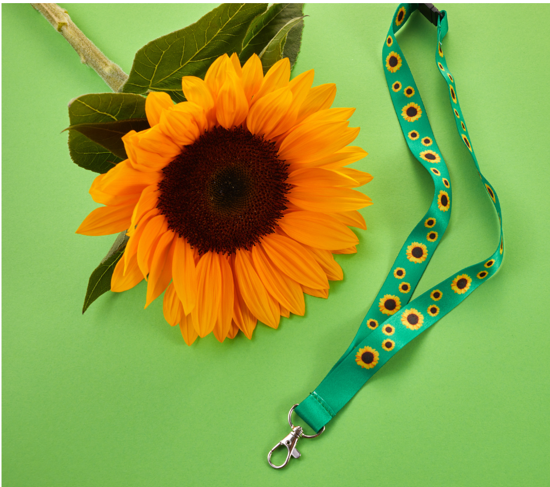
That’s where a simple green lanyard covered in sunflowers comes in.
What is the Sunflower lanyard?
The Hidden Disabilities Sunflower is a voluntary scheme that started at London’s Gatwick Airport in 2016. It gives people with non-visible disabilities and conditions a discreet way to let others know they may need a little extra help, time or patience.
Wearing the lanyard doesn’t mean you have to explain your diagnosis to anyone. It just tells trained staff: I might need some understanding today.
Who is it for?
The Sunflower is for anyone living with a hidden disability or chronic condition. That includes:
- Type 1 and type 2 diabetes
- Autism, ADHD and learning disabilities
- Chronic pain, arthritis and fatigue conditions
- Asthma and other breathing conditions
- Hearing or sight loss
- Mental health conditions such as anxiety
- Sleep disorders, epilepsy, Crohn’s and colitis, and many more
You don’t need proof of a diagnosis to wear one.
Why it matters for type 1 diabetes
Type 1 diabetes is invisible to most people, but managing it while travelling takes constant effort. The lanyard can help with:
- Security screening: You may be carrying insulin, pens, needles, glucose gel, juice or snacks, and wearing a pump or a continuous glucose monitor (CGM). Staff seeing the Sunflower are more likely to slow down, listen and offer a private or alternative screening.
- Hypos in the queue: If your blood sugar drops, staff will understand that you may need to sit down, eat or drink straight away.
- Extra time: Check-in, security and boarding can move at your pace.
- Less explaining: On a tiring travel day, not having to repeat your medical history over and over is a real relief.
How to get a Sunflower lanyard
- At the airport: Many airports offer lanyards free from their assistance or information desks.
- Online: You can buy lanyards, badges and cards from the official Hidden Disabilities Sunflower shop.
- Check your airport: Look up whether your departure and arrival airports recognise the Sunflower before you travel.
Which airports recognise it?
Hundreds of airports and airlines around the world are now part of the Sunflower network, across the UK, Ireland, Europe, the US, Canada, Australia, New Zealand, Asia and the Middle East. US examples include Dallas Fort Worth, Minneapolis–St Paul and Santa Barbara.
The official list is updated regularly, so always check before you fly.
Travel tips for type 1 diabetes
- Pack insulin and supplies in your hand luggage, never in the hold.
- Carry twice as many supplies as you think you’ll need.
- Bring a medical letter describing your condition and equipment.
- Ask your pump or CGM maker about body scanners and X-ray machines; many advise against putting devices through them.
- Keep fast-acting glucose within easy reach at all times.
- Wear your Sunflower lanyard from the moment you arrive at the airport.
A small sunflower, a big difference
The Sunflower lanyard won’t fix every travel headache, but it opens the door to kindness and patience. For anyone living with type 1 diabetes or another invisible illness, that can turn a stressful journey into a manageable one.